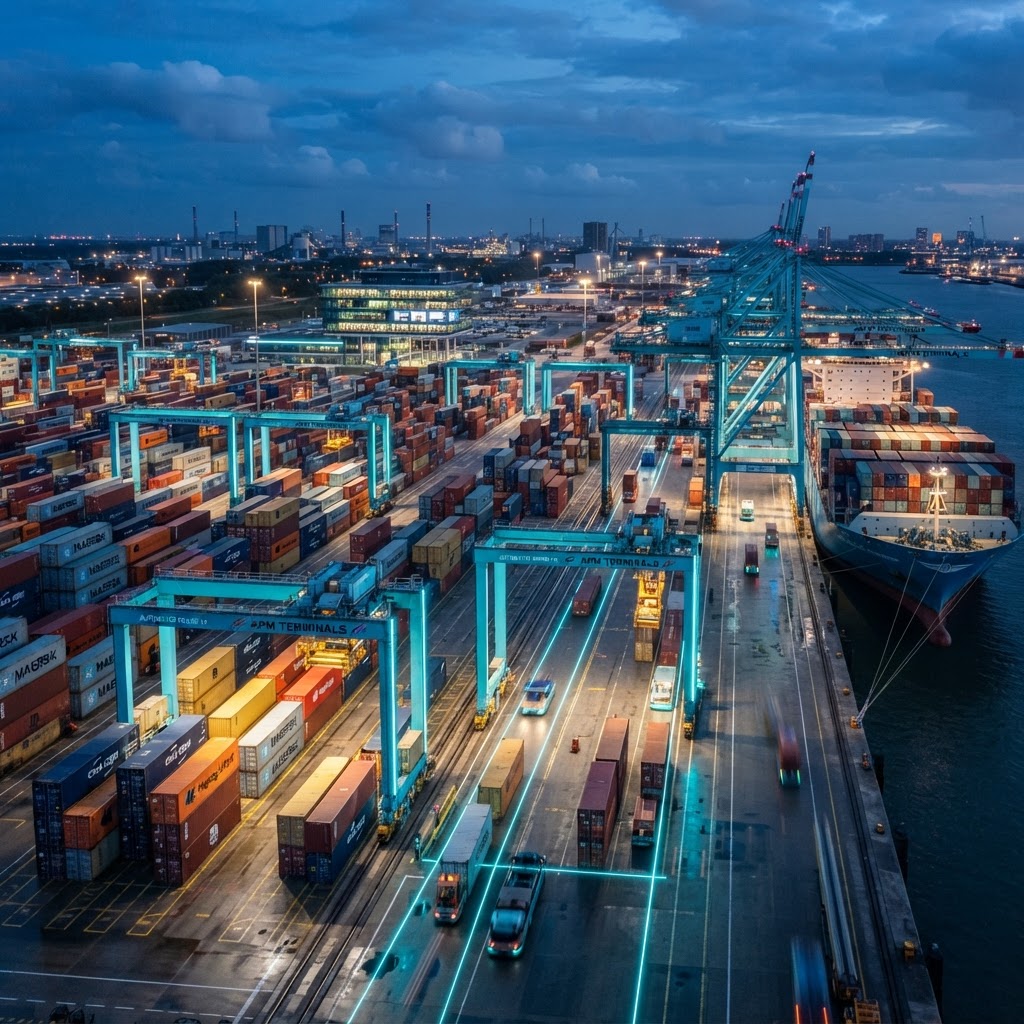
Autonomous Crane Operations
with Private 5G
Enable deterministic, low-latency, mission-critical crane automation across large port environments.
Why Now
Throughput Pressure
Global shipping demand forces ports to handle 30% more volume annually
Labor Crisis
Port workers increasingly unavailable; safety hazards limit recruitment
Competitor Moves
Rival ports already deploying automation, threatening market share
Safety Mandates
Regulatory pressure to reduce crane and vehicle incidents
Cost Pressure
Crane operations cost $100K+ per hour; automation ROI is immediate
Digital Transformation
Shipping lines demanding real-time cargo tracking and status
The Operational Challenge
Ports operating legacy infrastructure face critical automation barriers that impact safety, efficiency, and competitiveness.
Coverage Gaps
Wi-Fi dead zones across large port yards limit reliable crane control
RF Interference
Metal containers create severe interference, disrupting wireless signals
Latency Spikes
Unpredictable network delays compromise real-time crane control safety
Safety Risks
Manual operations expose workers to hazardous conditions in container yards
Limited Visibility
No real-time data on crane status, positioning, or operational efficiency
Cost Exposure
Downtime costs $10,000/hour; accidents create liability exposure in millions
The Private 5G Enabled Solution
Private 5G transforms port operations by delivering mission-critical connectivity that commercial networks cannot match.
Deterministic Low Latency
<10ms for real-time crane control loops with guaranteed response times
Guaranteed QoS
Priority traffic handling ensures crane commands always take precedence
Seamless Handover
Uninterrupted connectivity as cranes move across the port yard
SIM-Based Security
Device authentication prevents unauthorized access to critical systems
High Device Density
Support for 10,000+ connected sensors, cameras, and control systems per km²
Edge Processing
Local compute reduces cloud dependency and ensures offline operation capability